
Iwate Food Guide: Wanko Soba, Jajamen & Morioka Reimen
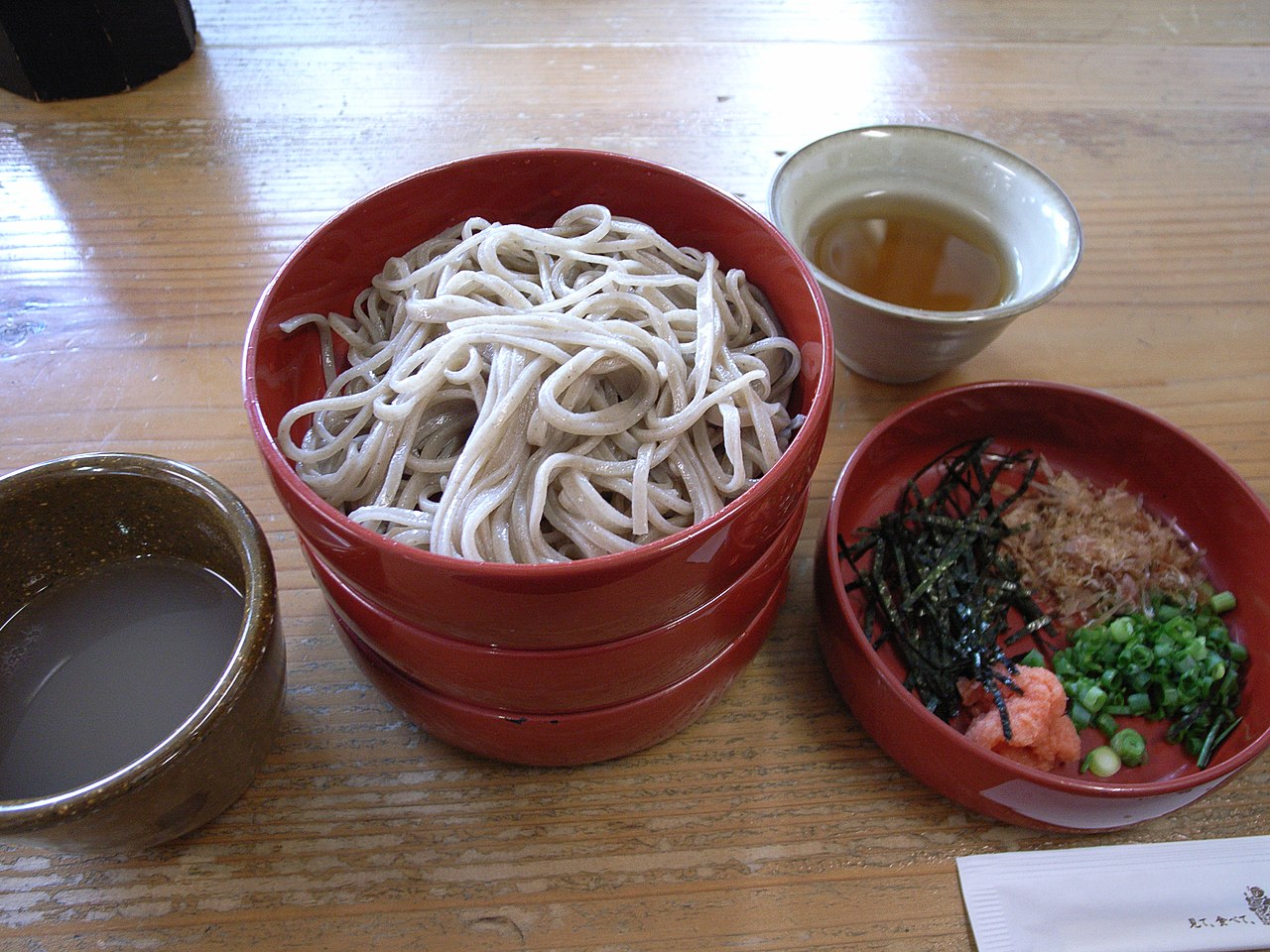
Wanko Soba
A uniquely interactive soba experience — bite-sized portions are continuously poured into your bowl until you place the lid to stop. A true Iwate tradition.
Jajamen
Flat noodles topped with meat miso, cucumber and ginger. After finishing, mix in raw egg and soup to make "chitan-tan" — a rich egg soup finish.
Morioka Reimen

A noodle dish with Korean roots — chewy transparent noodles in a spicy broth served cold with kimchi. One of Morioka's defining dishes.
Maesawa Beef
Iwate's prized wagyu brand, raised in the green hills of Oshu City. Known for fine marbling and deep flavour — ideal as steak or shabu-shabu.
Walnut Mochi
A traditional Iwate sweet — soft mochi rice cakes covered in a rich, sweet walnut sauce. A comforting taste of the countryside.
Access
All three major noodle styles have dedicated restaurants in central Morioka. Maesawa Beef is served at restaurants in Oshu City and Morioka.
📚 Sources
This article draws on publicly available information from Morioka City, Iwate Prefecture, and the local tourism association about Morioka's three great noodles (wanko soba, Morioka jajamen, and Morioka reimen), along with publicly released explanations of each dish, to introduce Iwate's local cuisine. All three noodles can be enjoyed year-round, but each shop's opening hours, holidays, prices, and whether wanko soba requires a reservation differ. Business information, fees, and access are subject to change, so if you have a particular shop in mind, please check the official information from each shop or the tourism association before you set out.
Visitor Checklist
- Estimated time: A single bowl takes little time, but hopping between the three noodles takes half a day to a full day including travel and breaks.
- What to bring / prepare: Come hungry if you tackle wanko soba; some popular shops are cash-only, so having small change ready keeps things smooth.
- How to savor: Change the flavor of wanko soba with condiments, finish jajamen with the "chiitantan" egg soup, and pick your spice level for reimen. Knowing each style raises your satisfaction.
- Suggested route: Renowned shops cluster around the gateway of Morioka Station, walkable for a food crawl. To cover all three in one day, order small portions to leave room in your stomach.
- Beating the crowds: Popular shops get busy at lunchtime, so going right at opening or shifting your timing makes it easier to get in without waiting.
Practical Information for Your Visit
- Best season: The "three great noodles of Morioka" - wanko soba, Morioka jajamen and Morioka reimen - can all be enjoyed all year round.
- Main areas where they are served: Central Morioka City (around Morioka Station, the Odori area and so on) and Hanamaki City. The Council for the Promotion of Morioka's Three Great Noodles is made up of Morioka City together with the organisations connected with wanko soba, Morioka reimen and Morioka jajamen.
- Origin of wanko soba: "Wanko" is a dialect word for a wooden bowl. In Morioka, Hanamaki and elsewhere there was a custom of entertaining guests with soba, and serving small portions in bowls so that freshly boiled noodles could be offered to many people at once is said to be the origin of the dish.
- Origin of Morioka reimen: It is said to have first been served in Morioka in Showa 29 (1954). (The official accounts differ: Morioka City's official information says the creator came from Hamhung, while the Morioka Tourism and Convention Association describes him as being from Pyongyang.)
- Origin of Morioka jajamen: It is said to be an Iwate-style adaptation of the Chinese dish zhajiangmian (jajamen).
- Points to note: Buckwheat, wheat and egg are "specified raw materials" that must be labelled under the Food Labelling Act. If you have allergies, check the ingredients with the restaurant before ordering. Many restaurants serving wanko soba require reservations, so it is safest to check in advance along with opening hours, closing days and prices.
* Opening hours, prices and whether reservations are needed vary from restaurant to restaurant.
(Sources: Morioka City official website; Morioka Tourism and Convention Association "Morioka Tourism Information"; Iwate Prefecture tourism portal site "Iwate no Tabi"; Consumer Affairs Agency "Food Allergy Labelling")
📍 Location & Access




Share this article


✍️ About this article
This article is compiled by the Tabitabi JAPAN editorial team from official and primary sources, including facility and shrine/temple websites, tourism information published by municipalities and tourism associations, and cultural-property records released by national and local governments. Prices, opening hours and event dates may change, so please also check the official information of each facility or local government before you visit.