
Ancient Lotus Village: 1,400-Year-Old Lotus Blossoms in Gyoda
The "Ancient Lotus Village" (Kodai Hasu no Sato) in Gyoda City, Saitama Prefecture, is a lotus site with an almost miraculous story: ancient seeds unearthed during construction of a public facility germinated on their own and bloomed. The ancient lotus, grown from seeds estimated to be 1,400 to 3,000 years old, was named "Gyoda Lotus" and revived across the ages into the present. The pale pink flowers blooming across the roughly 140,000-square-meter grounds give visitors a sense of timeless romance.
Lotus Revived from 1,400 Years of Sleep
The lotus of the Ancient Lotus Village grew when seeds sleeping deep underground were accidentally dug up during excavation work for a city facility in Gyoda, then germinated naturally in a pond and bloomed. Expert investigation estimated the seeds to be roughly 1,400 to 3,000 years old, and the revival of life that had slept underground for so long was received with great surprise and emotion. The grounds are planted with 42 varieties and about 120,000 lotus plants gathered from around the world, so alongside the ancient lotus you can view diverse varieties from many countries.
Lotus Ponds and Rice Paddy Art
Lotus ponds planted with as many as 42 varieties spread across the grounds, and you can enjoy their fantastical appearance opening in the early morning. From the observation tower "Gyoda Tower," about 50 meters high and attached to the Ancient Lotus Village, you can look out over the "rice paddy art," in which pictures are drawn in the surrounding paddies using rice as if on a canvas. The giant designs, created by planting rice of different colors, were certified in 2015 as the "world's largest rice paddy art" by Guinness World Records, with a scale of about 2.8 hectares. The design changes every year, and its precision astonishes viewers. Being able to enjoy the lotus flowers and rice paddy art at the same time is a charm unique to this place.
Access and Basic Information
The best season for lotus is from mid-June to early August, and since the flowers open in the early morning and close around noon, an early morning visit is recommended. During the blooming period the Kodai Hasu Kaikan hall on the grounds opens at 7 a.m., so you can enjoy the precious flowers at their peak without missing them. The rice paddy art reaches its vivid peak from around mid-July to mid-October. For access, take the city loop bus from Gyoda Station on the JR Takasaki Line and get off at "Kodai Hasu no Sato"; by car, parking is provided nearby (parking becomes paid during the lotus blooming period).
Practical Travel Notes
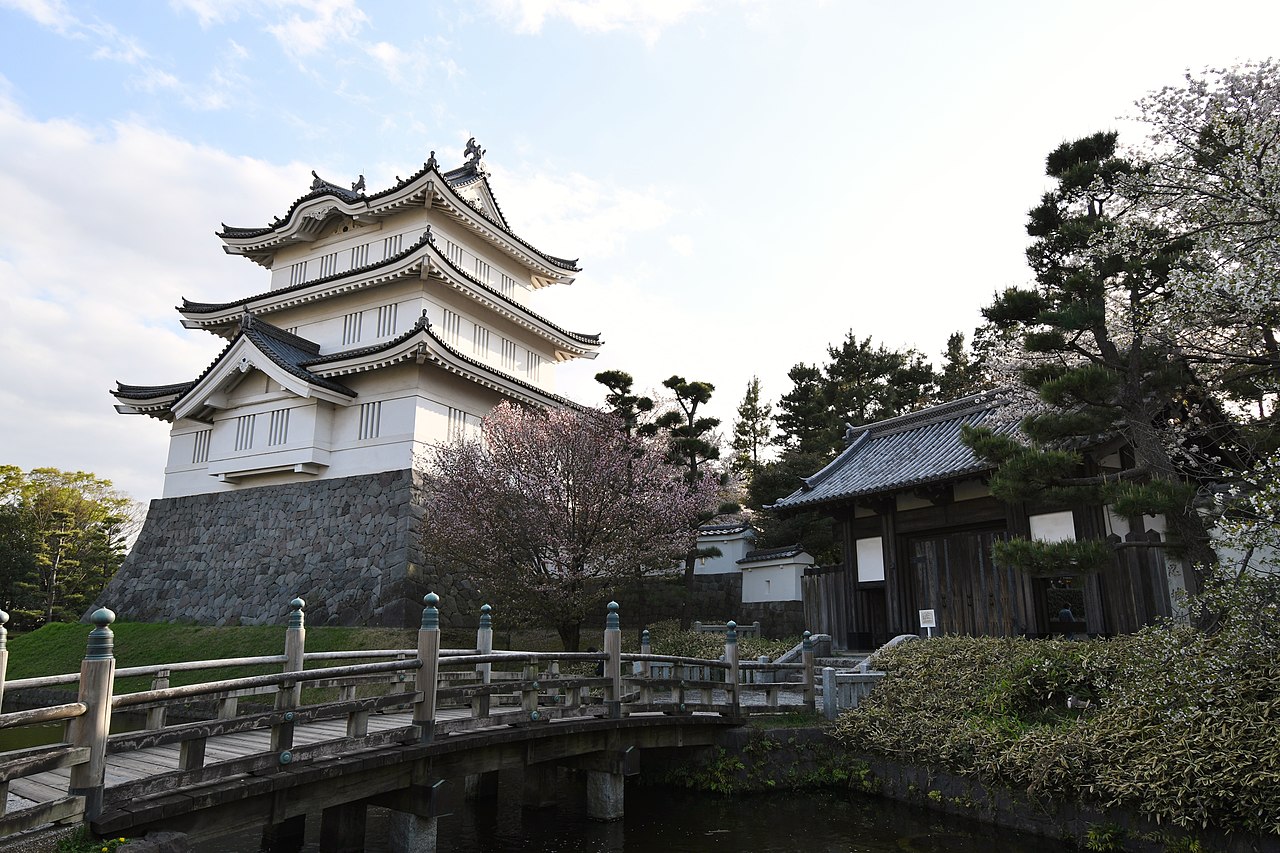
To catch the flowers at their peak, an early morning in late June through July, when the lotus opens most beautifully, is recommended. Since the flowers close by around midday, arriving just after opening is ideal. Allow about two hours to comfortably enjoy strolling the grounds and viewing the rice paddy art from the observation tower. Nearby, spots that convey Gyoda's history are scattered about, such as Sakitama Ancient Burial Mounds Park and Oshi Castle, made famous in film and drama, and combining them makes a good itinerary.
A Word of Advice
Because the lotus peaks only in the early morning, the flowers may be closed if you visit during the day. To savor the drama of ancient life at leisure, walking the lotus ponds in the quiet of early morning is best. Ascending the observation tower during the rice paddy art season lets you clearly survey the giant designs drawn in green rice.
📚 Sources
This article is based on guidance for the Ancient Lotus Village in Gyoda City, the origin of the Gyoda lotus that sprouted during excavation work, materials on the Guinness-record rice paddy art, and tourism information for Gyoda City. It also draws on guidance for the Gyoda Tower observation tower and the Ancient Lotus Hall. The lotus and paddy art viewing periods and opening hours may change, so please confirm with official sources before you go.
Visitor Checklist
- Estimated time: About 2 hours combining a walk in the grounds with viewing the paddy art from the tower.
- How to get around: The lotus opens early and closes around midday, so arriving right at opening is ideal.
- Best season: Lotus from mid-June to early August, and paddy art around mid-July to mid-October.
- Access: Take the city loop bus from JR Gyoda Station and get off at Kodaihasu-no-Sato.
- Parking: There is parking nearby for cars, which becomes paid during the lotus bloom.
- Also enjoy: The nearby Sakitama Kofun Park and Oshi Castle are recommended.
📍 Location & Access



Share this article


✍️ About this article
This article is compiled by the Tabitabi JAPAN editorial team from official and primary sources, including facility and shrine/temple websites, tourism information published by municipalities and tourism associations, and cultural-property records released by national and local governments. Prices, opening hours and event dates may change, so please also check the official information of each facility or local government before you visit.