
Hokkaido Food Guide: Fresh Seafood, Jingisukan & Soup Curry
Hokkaido is a treasure house of food where some of Japan's finest gourmet gathers, from the bounty of the sea to mutton dishes, ramen and sweets. Here we bring together the classic foods you cannot miss on a trip, along with practical information for enjoying each one.
Hokkaido Seafood
Sea urchin, crab, salmon roe, scallops and salmon are among the finest catches in Japan. Even at conveyor belt sushi you can enjoy far fresher seafood than on the main island. The seafood bowl, lavishly heaped with fresh sea urchin and salmon roe, is a classic of a Hokkaido trip. Crabs such as red king crab, horsehair crab and snow crab are thoroughly satisfying too. At the Hakodate morning market and Kushiro Washo Market, the katte don style of piling on your chosen toppings is also popular.
Jingisukan
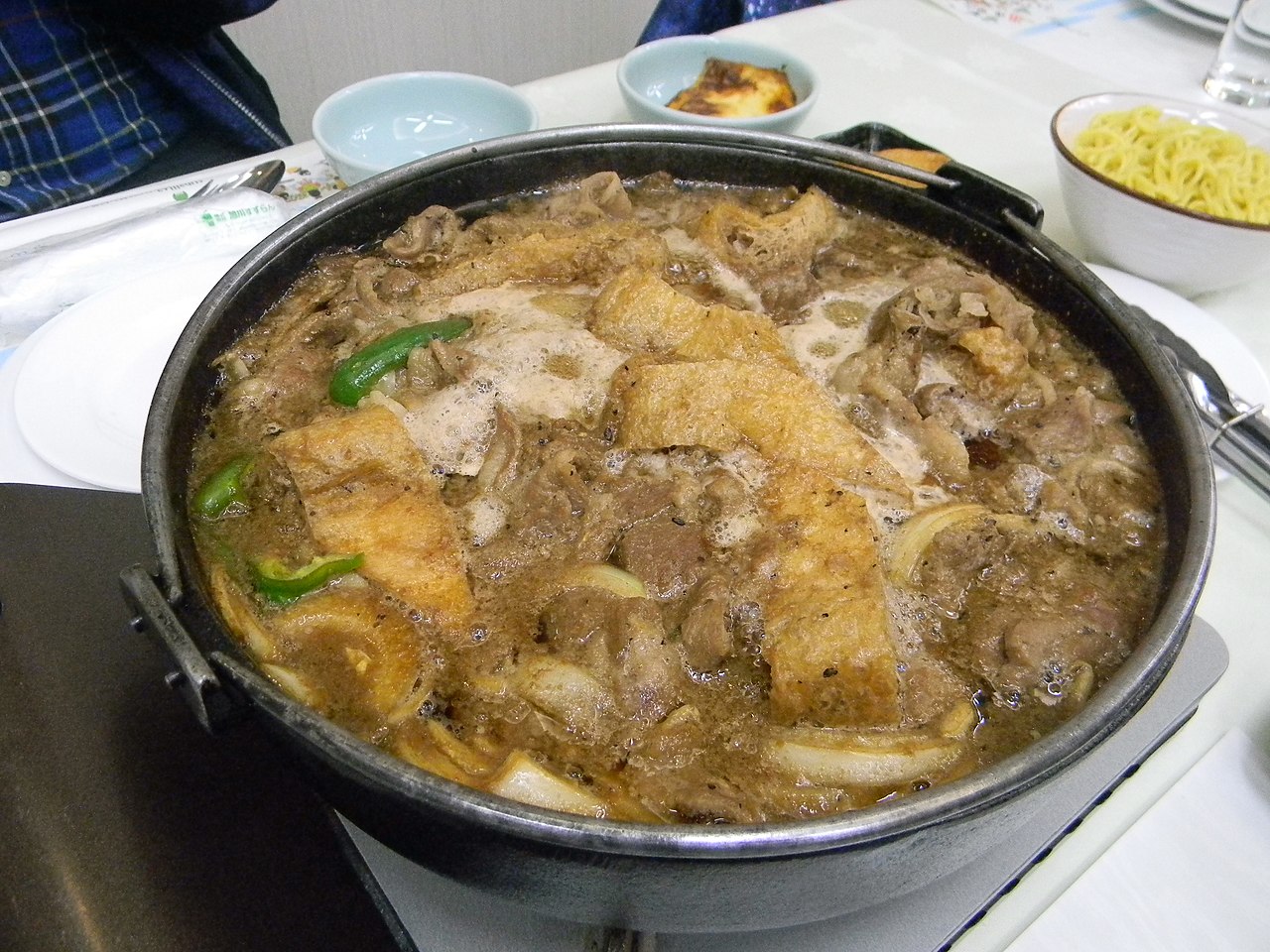
A Hokkaido classic of grilling mutton with vegetables on an iron pan. There is a marinated type steeped in sauce and a plain type of raw meat. The local way is to grill on a special pan raised in the center and steam grill the vegetables along the rim. It pairs superbly with beer. Traditions differ by region, with the marinated style prevailing in the north such as Takikawa and the dip after style common in the south such as Hakodate.
Soup Curry
A Sapporo born curry of large vegetables and chicken in a spicy soup. The Hokkaido way is to dip rice into it as you eat. With a deep flavor using more than twenty spices, its appeal lies in the many shops that let you freely choose the heat and toppings. Famous shops gather in the Susukino, Odori and Maruyama areas.
Miso Ramen
Sapporo born miso ramen. Butter, corn and roast pork are the classic toppings on a rich miso broth. Loved as a bowl that warms the body in cold Hokkaido, it is one of the three great ramen of Hokkaido alongside Asahikawa soy sauce and Hakodate salt. A trip comparing the three great ramen is popular.
Hokkaido Sweets
Famed confections for Hokkaido souvenirs line up, such as Shiroi Koibito, Jaga Pokkuru and Marusei Butter Sand. Sweets made with dairy are superb too. Rich soft serve and cheesecake carry a taste unique to Hokkaido, nurtured by fresh milk.
Best Season
Seafood can be enjoyed year round, but sea urchin is in season in summer from June to August, horsehair crab is in season year round as the season relays from region to region, and red king crab is in season in winter. Furano melon peaks from July to early September. Hot pots and ramen are exceptional in cold winter, and ishikari nabe is at its best from autumn into winter when salmon is in season.
Access Information
Signature foods concentrate in cities such as Sapporo, Hakodate, Otaru, Kushiro and Obihiro. Seafood is famous at the Hakodate morning market and Kushiro Washo Market, miso ramen and soup curry in Sapporo, soy sauce ramen in Asahikawa, salt ramen in Hakodate and pork bowl in Obihiro. From New Chitose Airport to Sapporo Station takes about 37 minutes by rapid train, so you can enjoy authentic tastes from your very first day.
Practical Travel Notes
- Timing: markets are at their liveliest from early morning to midday, and popular ramen and soup curry shops tend to draw lines at the lunch peak, so just after opening or a later time is a good target.
- Grouping areas: basing yourself in Sapporo lets you tour miso ramen, soup curry and jingisukan on foot or by subway. Setting a theme by city, seafood and salt ramen in Hakodate, soy sauce ramen in Asahikawa and pork bowl in Obihiro, is efficient.
- Budget: ramen and pork bowl run around a thousand yen, soup curry in the low thousands, and hot pot and seafood vary by item. Choosing on the spot tasting or a bowl at a market keeps seafood affordable too.
- Clothing tip: since jingisukan and soup curry can leave smells or splashes, a layer to throw on is reassuring.
A Quick Tip
Because Hokkaido gourmet is split by city, it is best to map out what you want to eat according to your itinerary. Splitting the timing, seafood at the market in the morning and ramen or jingisukan at night, lets you enjoy several signature foods in a day without strain.
- Contact: Kushiro Washo Market (Kushiro Station West Shopping District Promotion Association) 0154-22-3226 (Monday to Saturday 9:00-17:00)
📍 Location & Access


Share this article


✍️ About this article
This article is compiled by the Tabitabi JAPAN editorial team from official and primary sources, including facility and shrine/temple websites, tourism information published by municipalities and tourism associations, and cultural-property records released by national and local governments. Prices, opening hours and event dates may change, so please also check the official information of each facility or local government before you visit.