
Fujisan Hongu Sengen Taisha — The Head Shrine of 1,300 Fuji Shrines Nationwide
Fujisan Hongu Sengen Taisha in Fujinomiya City, Shizuoka Prefecture, is the headquarters of approximately 1,300 Sengen shrines scattered across Japan, all dedicated to the deity of Mt. Fuji, Konohanasakuya-hime, goddess of blossoming flowers and the transient beauty of cherry blossoms. As the spiritual authority over Japan's most sacred mountain, this shrine occupies a position of exceptional importance in the national religious imagination.
Highlights
The shrine's main precinct is entered through a sequence of torii gates and approaches that build spiritual expectation over several hundred meters of forested path. The two-story romon gate was dedicated by Tokugawa Ieyasu in 1604 and is designated an Important Cultural Property, while the main hall is built in the distinctive Sengen-zukuri style, an outstanding example of shrine architecture from the era of a newly unified Japan.
The sacred Wakutama Pond within the precinct wells up with Fuji's snowmelt, its waters emerging pure and cold directly from the mountain after filtering for decades through the volcanic layers, holding a temperature of about 13 degrees year round. This spring water is used for the shrine's ritual purification and has long supported sake brewing in Fujinomiya.
The shrine claims legal ownership of Mt. Fuji above the 8th Station, a remarkable assertion affirmed in the Meiji-era land settlement that returned the mountain to shrine ownership after its temporary nationalization. Each May the annual festival features traditional yabusame horseback archery.
Getting There & Tips
From Fujinomiya Station (JR Minobu Line from Shizuoka or Shin-Fuji), a seven-minute walk. By car it is about 20 minutes from the Shin-Fuji interchange on the Shin-Tomei Expressway. The inner precinct is easily walkable in about an hour and a half including the springs. The precinct is free, while the treasure hall charges a small admission.
Best Time to Visit
Late March to early April for cherry blossoms within the precinct set against Fuji. July and August when the climbing season gives the shrine special vibrancy, and autumn and winter when the snow-capped peak stands in clear air.
Practical Travel Notes
- Best season: Late March to early April, when the cherry blossoms in the precinct overlap with Mount Fuji, is especially popular. Autumn and winter, when the snow-capped Fuji is beautiful, allow worship in clear air.
- Avoiding crowds: The cherry blossom season and long holidays grow crowded, so an early morning visit is recommended.
- Time needed: Allow about one to one and a half hours including the precinct and Wakutama Pond.
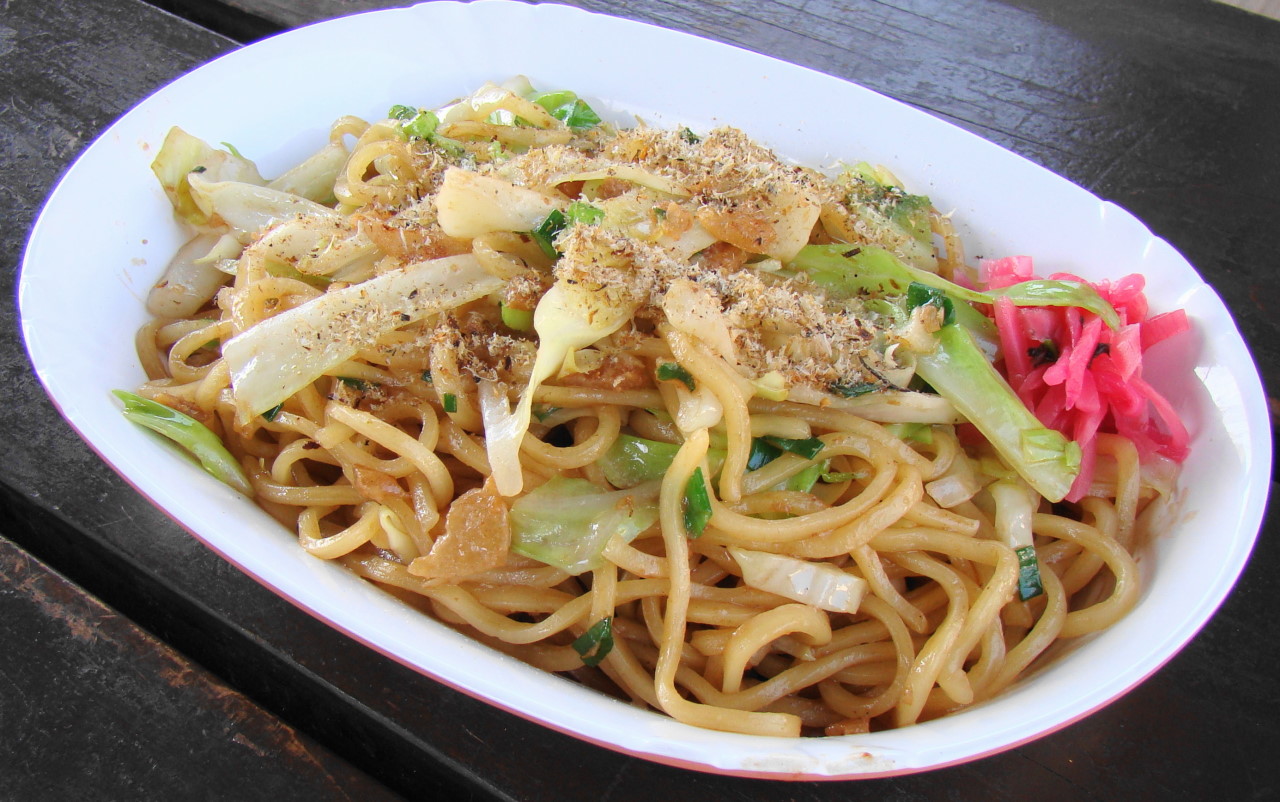
- Nearby spots: The water flowing from Wakutama Pond is a blessing of Fuji connected to the nearby Shiraito no Taki and the springs of Fujinomiya. After worship you can also enjoy the local specialty Fujinomiya yakisoba.
- Budget feel: Worship in the precinct is free. Including the treasure hall, a charm, or food, it can be enjoyed affordably.
📚 Sources
This article draws on the official guidance of Fujisan Hongu Sengen Taisha, tourism information from Fujinomiya City, and the cultural-property explanations posted at the Wakutama Pond and the tower gate within the precinct. The hours of the amulet office and treasure hall, admission fees, and the dates of the annual festival can change from year to year. Since fees and times may change, please confirm the shrine's official information before you visit.
Visitor Checklist
- Estimated time: About one to one and a half hours including the precinct and Wakutama Pond.
- Suggested route: Follow the tower gate, main hall, and Wakutama Pond in turn to sense the flow of Fuji's waters.
- Best season: Late March to early April, when the cherry blossoms and Mount Fuji appear together, is especially popular.
- Avoiding crowds: Visit in the early morning during the blossom and holiday seasons.
- Nearby stop: After your visit, enjoy the local Fujinomiya yakisoba nearby.
📍 Location & Access


Share this article


✍️ About this article
This article is compiled by the Tabitabi JAPAN editorial team from official and primary sources, including facility and shrine/temple websites, tourism information published by municipalities and tourism associations, and cultural-property records released by national and local governments. Prices, opening hours and event dates may change, so please also check the official information of each facility or local government before you visit.