
Kumano Hongu Taisha: Sacred Site of Rebirth, Final Destination of the Kumano Pilgrimage
Kumano Hongu Taisha, nestled in the mountains of Hongu, Tanabe City, Wakayama, is the head shrine of approximately 3,000 Kumano shrines nationwide. As the center of the Kumano Sanzan, together with Hayatama and Nachi, it has been revered since ancient times as a sacred site of rebirth, and it thronged with the Kumano pilgrimage that people of every rank undertook. With solemn shrine halls wrapped in deep forest and an approach filled with sacred air, it is one of Wakayama's foremost power spots, cleansing the hearts of those who visit and giving them strength. In 2004 it was inscribed as a UNESCO World Heritage Site.
Kumano Hongu Taisha, Sacred Site of Rebirth
Together with Kumano Hayatama Taisha and Kumano Nachi Taisha, Kumano Hongu Taisha forms the Kumano Sanzan and has been regarded as its central presence. The land of Kumano was worshipped as a place of rebirth that accepts all people without distinction, and it was deeply revered as a sacred site for starting life over and being reborn. The grounds, where imposing halls with cypress-bark roofs stand together, are filled with a serene air, and simply visiting lets you feel a sanctity that seems to cleanse the heart. You reach the halls by climbing a stone-step approach.

Oyunohara and the Kumano Kodo
Kumano Hongu Taisha originally stood on Oyunohara, a sandbar where the Kumano, Otonashi, and Iwata rivers meet, but it was damaged in the great flood of 1889, and the halls that escaped harm were moved to the present high ground in 1891. Even now, at Oyunohara rises Japan's largest torii gate, about 34 metres tall, conveying the grandeur of the former shrine site. Kumano Hongu Taisha is also a principal destination of the World Heritage Kumano Kodo pilgrimage trails, and the pilgrimage of walking the tree-shrouded ancient paths toward Hongu fascinates many as a special, purifying experience of body and mind.

The Yatagarasu and Enjoying the Seasons
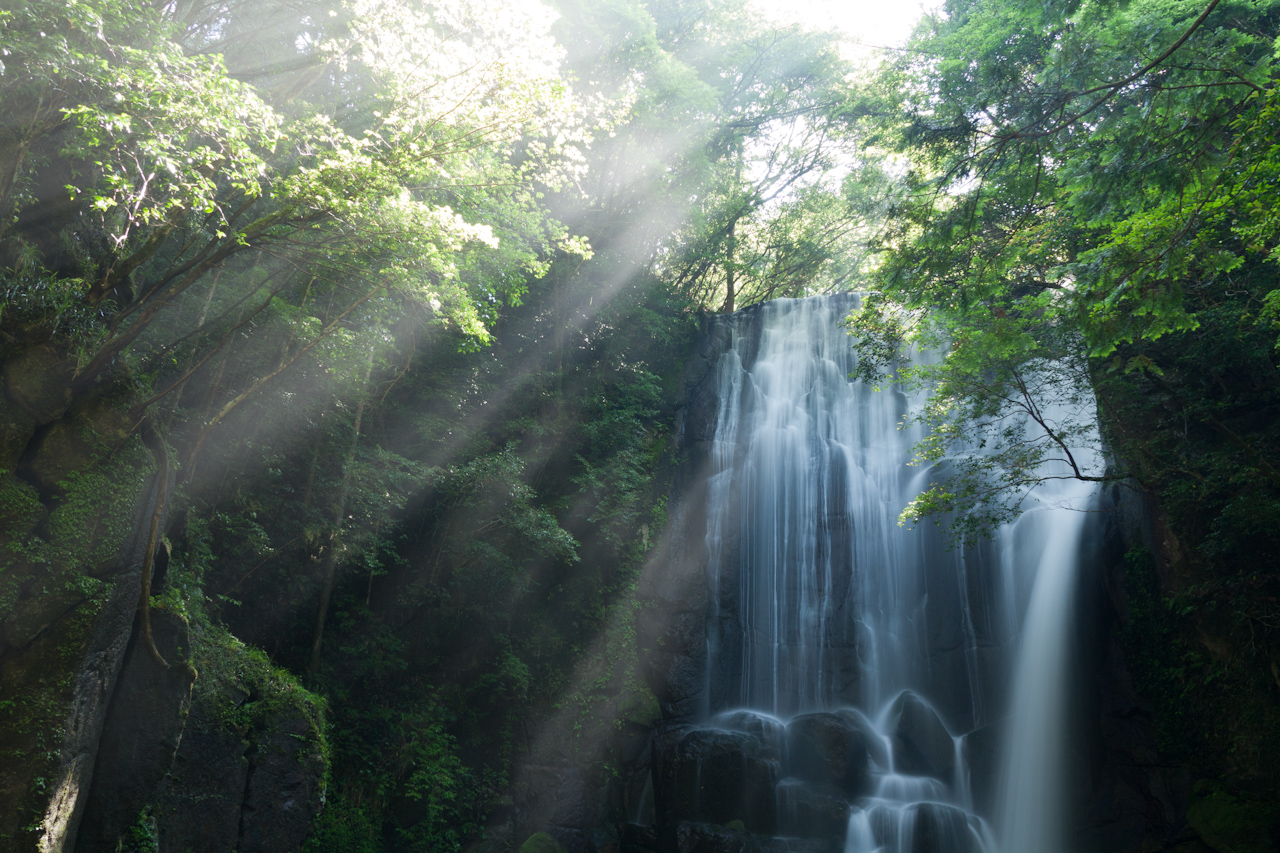
The messenger of the Kumano deities is the Yatagarasu, a sacred three-legged crow. Known as a guiding sacred bird and used as a symbol of the Japan national football team, it is also cherished as a Kumano amulet. Kumano Hongu Taisha can be visited year-round, with the fresh green of spring into early summer and the autumn foliage especially beautiful. Walking the sacred forest approach in clear air feels as though it cleanses both heart and body.
Access and Basic Information
- Location: Hongu, Hongu Town, Tanabe City, Wakayama Prefecture
- Access: Commonly reached by bus toward Hongu from Kii-Tanabe Station or Shingu Station on the Kisei Main Line; services are limited, so check times in advance
- By car: Use nearby parking; it also serves as a starting point for touring the three Kumano shrines
- Visiting: The grounds are open year-round; the great torii at Oyunohara is within walking distance of the main shrine
- Nearby are hot springs long known as healing baths, such as Yunomine and Kawayu
Practical Travel Notes
- Buses are limited, so always check the times for the trip there and back before you go
- The halls are reached by a stone-step approach; comfortable shoes are recommended
- The great torii at Oyunohara is within walking distance of the main shrine; its figure rising amid the fields is a must-see
- The Tsuboyu bath at Yunomine Onsen is a rare hot spring inscribed as a World Heritage Site, ideal for soothing tired legs
- Walking even a short stretch of the Nakahechi trail to reach Hongu deepens your sense of the meaning of this sacred site of rebirth
A Quick Tip
Kumano Hongu Taisha is a sacred site of special meaning as the final destination of the Kumano pilgrimage. After your visit, walk a little farther to see the great torii at Oyunohara and feel the grandeur of the former shrine site. Soothing your travel fatigue at a nearby hot spring lets you spend a renewing moment fitting for this land of rebirth.
📚 Sources
This article draws on official information from Kumano Hongu Taisha, content from Hongu in Tanabe and the Kumano Hongu tourism association, and on-site signs at Oyunohara and along the Kumano Kodo. Materials on the Kii Mountain Range World Heritage site are also referenced. Worship reception, bus timetables, and details of nearby hot springs such as Yunomine and Kawayu may change, so please confirm with the official information of Kumano Hongu Taisha or the tourism association before your visit.
Visitor Checklist
- Access note: Buses are limited, so always check the times both ways before you set out
- What to prepare: The approach to the shrine has stone steps, so sturdy shoes are recommended
- How to get around: The great torii at Oyunohara is within walking distance of the main shrine; its form rising in the fields is a must-see
- Side-trip tip: Yunomine Onsen, known for its World Heritage Tsuboyu bath, is ideal for soothing tired legs
- Seasonal note: Spring through early summer greenery and autumn foliage are especially beautiful for a visit
📍 Location & Access




Share this article


✍️ About this article
This article is compiled by the Tabitabi JAPAN editorial team from official and primary sources, including facility and shrine/temple websites, tourism information published by municipalities and tourism associations, and cultural-property records released by national and local governments. Prices, opening hours and event dates may change, so please also check the official information of each facility or local government before you visit.