
Ishiyamadera: Ancient Temple of Southern Lake Where Murasaki Shikibu Conceived The Tale of Genji
Birthplace of The Tale of Genji
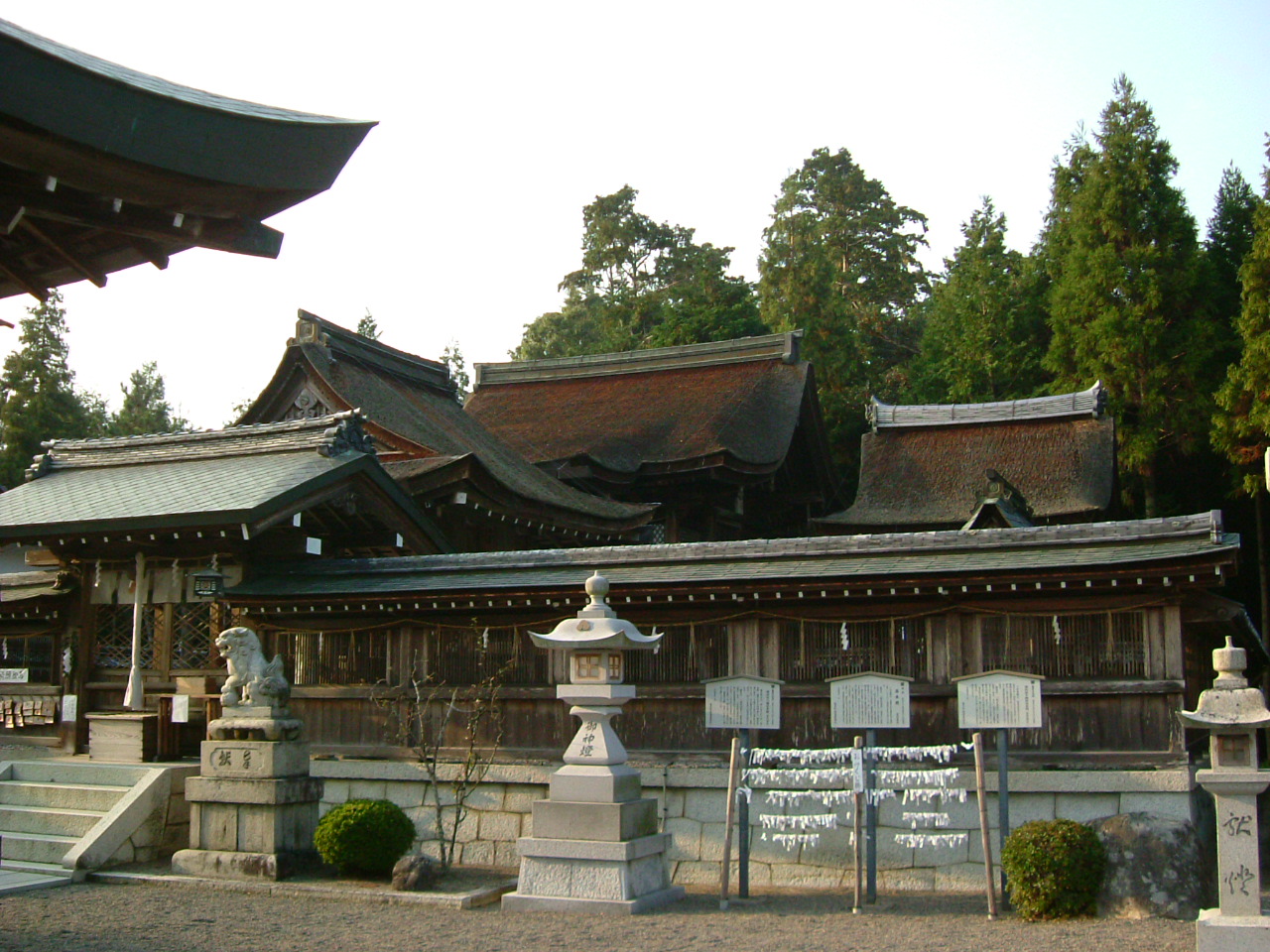
Ishiyamadera is a Toji Shingon sect ancient temple said to have been founded in 724 by imperial decree of Emperor Shomu by the monk Roben. Its halls stand atop a huge exposed mass of wollastonite, a natural monument, an unusual landscape found nowhere else in Japan that gives the temple its name, meaning stone mountain. The legend that Heian period female author Murasaki Shikibu conceived The Tale of Genji while viewing the moon at this temple is famous, with the Genji Room preserved in the grounds.
National Treasure Architecture
The National Treasure Main Hall is the oldest wooden building in Shiga Prefecture, built in a stage style that juts out over the cliff, with a hidden image of Nyoirin Kannon enshrined in the inner sanctum. The Tahoto Pagoda, said to be the oldest of its kind in Japan and a National Treasure, is a graceful structure said to have been donated by Minamoto no Yoritomo and renowned as a masterpiece of Japanese style architecture. Walking the grounds, you find Important Cultural Properties scattered here and there and feel the weight of history firsthand.
Seasonal Flowers and Autumn Foliage
The grounds, also called a temple of flowers, are never without blooms through the year, beginning with plum in February and continuing with cherry, peony, rabbit-ear iris, hydrangea, and autumn leaves. In late autumn the whole grounds turn to blazing red and yellow, and evening illuminations are held. The annual autumn exhibition on Ishiyamadera and Murasaki Shikibu also draws many visitors.
Seta River and Fireflies
The clear stream of the Seta River flowing beside the grounds becomes a place where countless fireflies dance in early summer. The flickering firefly light amid the stillness of the old temple has a dreamlike beauty, as if the elegance of the Heian period were held within it.
Access and Basic Information
- About a 10 minute walk from Ishiyamadera Station on the Keihan Ishiyama Sakamoto Line. From JR Ishiyama Station, transfer to the Keihan railway, or take a Kojak bus to the Ishiyamadera Sanmon-mae stop, about 10 minutes.
- The entry fee is about 600 yen. Viewing hours are generally 8:00 to 16:30, with entry until 16:00.
- Walking there along the riverside path by the Seta River is a pleasant route. Before or after the visit, a rest at a riverside cafe is also recommended.
Practical Travel Notes
- Allow about one to one and a half hours to slowly tour the Main Hall, the Tahoto Pagoda, the Genji Room, and more. The grounds have slopes and stone steps, so comfortable shoes are reassuring.
- Highlights are the cherry blossoms in spring (early April), fireflies in early summer (around June), and autumn leaves (mid to late November). The autumn illumination period is especially popular.
- To avoid crowds, weekday mornings are the target. During illuminations it tends to fill up from evening onward, so allow yourself extra time.
- Nearby are scenic spots such as the Seta no Karahashi bridge, counted among Japan's noted bridges, which can be combined with sightseeing in central Otsu.
A Quick Tip
The path leading up over the huge mass of wollastonite to the Main Hall is a landscape unique to Ishiyamadera. Timing a visit for the peak of flowers or autumn leaves lets you savor a special interlude where the historic halls and the colors of nature resonate together.
📚 Sources
This article was edited with reference to guidance from Ishiyamadera, an old temple of the Toji Shingon school in Otsu City, and explanations of its natural-monument wollastonite outcrop and its national-treasure main hall and tahoto pagoda. Explanations from the temple and region were consulted for the Genji Room, where Murasaki Shikibu is said to have conceived The Tale of Genji, and the autumn Ishiyamadera and Murasaki Shikibu exhibition. Viewing hours, admission fees, and the dates of illuminations and special exhibitions may change, so please check the temple official information before you set out.
Visitor Checklist
- Suggested route: Taking in the national-treasure main hall built on the wollastonite, the tahoto said to be the oldest in Japan, and the Genji Room lets you savor both history and literature.
- Access: It is about a 10-minute walk from Ishiyamadera Station on the Keihan Ishiyama-Sakamoto Line; from JR Ishiyama Station, transfer to the Keihan line or take a bus about 10 minutes to the Ishiyamadera-sanmon-mae stop.
- What to wear: The grounds are hilly with stone steps, so comfortable shoes are recommended.
- Budget: Beyond admission, allow for a shrine seal and meals nearby.
- When to go: Flowers can be enjoyed year-round, from February plums to cherry blossoms, hydrangeas, and autumn foliage, with illuminations in late autumn.
- Nearby: In early summer, fireflies appear along the Seta River beside the grounds, creating a magical scene.
📍 Location & Access


Share this article



✍️ About this article
This article is compiled by the Tabitabi JAPAN editorial team from official and primary sources, including facility and shrine/temple websites, tourism information published by municipalities and tourism associations, and cultural-property records released by national and local governments. Prices, opening hours and event dates may change, so please also check the official information of each facility or local government before you visit.