
Enryakuji on Mt. Hiei: The Mother Mountain of Japanese Buddhism and Head Temple of Tendai Sect
Mother Mountain of Japanese Buddhism
Enryakuji, founded by Saicho in 788, has over 1,200 years of history as the Tendai sect's head temple. It is revered as the mother mountain of Japanese Buddhism, where founders of various Japanese Buddhist sects including Honen, Shinran, Dogen, Nichiren, and Eisai trained in their youth.
Three Towers and a Vast Precinct
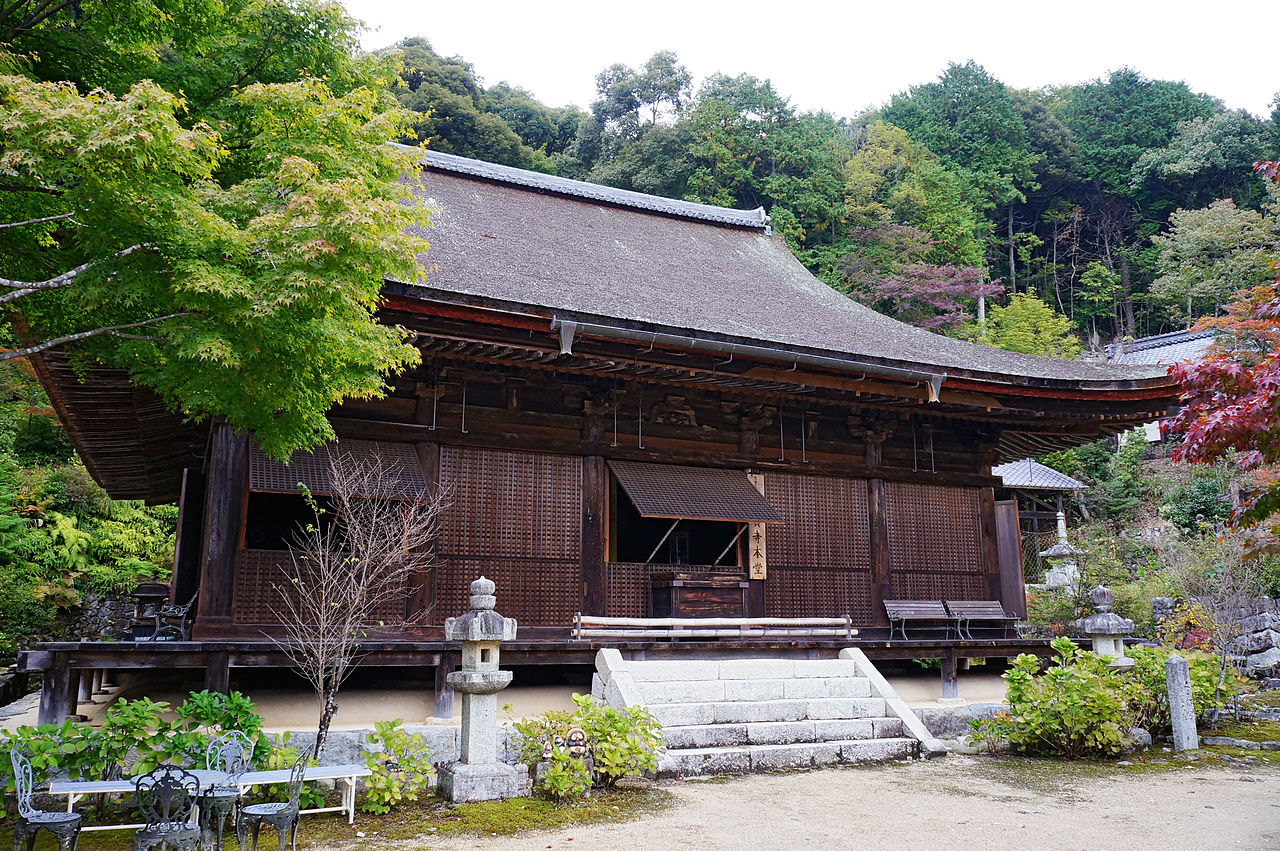
Enryakuji is not a single hall but a grand temple whose precinct spans the whole of Mt. Hiei, divided broadly into three areas: Todo, Saito, and Yokawa. The central Todo area holds Konponchudo, the main hall that conveys Saicho's teachings, where the Imperishable Dharma Flame is said to have burned continuously for over 1,200 years. Because the areas are spread apart, it is best to allow at least half a day for an unhurried pilgrimage.
Sennichi Kaihogyo
Enryakuji is also known as a place of rigorous training. The most severe of these, Sennichi Kaihogyo, or the thousand-day practice, involves walking through the peaks of Mt. Hiei over roughly seven years on a course of almost unimaginable length. Those who complete it are called Daiajari and are deeply respected. This tradition of practice sets Enryakuji apart, not as a mere sightseeing spot but as a living sacred site of faith and prayer.
Access and Basic Information
- The pilgrimage fee, shared across the three towers, is about 1,000 yen for adults, 600 yen for junior and senior high students, and 300 yen for elementary students.
- Viewing hours in the Todo area are roughly 9:00 to 16:00 year round, while the Saito and Yokawa areas open from around 9:00 (or 9:30) to 16:00 depending on the season. Reception for the pilgrimage closes a little before the gates, so arriving early is reassuring.
- From the Shiga side, the Sakamoto Cable Car is convenient. It links Cable Sakamoto Station and Cable Enryakuji Station in about 11 minutes, and its operating distance of about 2 km is the longest in Japan, offering a sweeping view of Lake Biwa from the windows.
- From the Kyoto side, one route combines the Eizan Railway with a cable car and ropeway, and it is also possible to drive up via the Hieizan Driveway.
Practical Travel Notes
- As a guide, allow about one hour for the Todo area alone, or about three and a half hours to visit all three towers. If time is limited, give priority to the Todo area with Konponchudo.
- Movement between areas is by shuttle bus or on foot. There is some walking involved, so comfortable shoes are recommended.
- Mt. Hiei is high in elevation, and the summit is several degrees cooler than the lowlands. Early summer greenery and autumn leaves are beautiful, but mornings and evenings are chilly, so bring a layer.
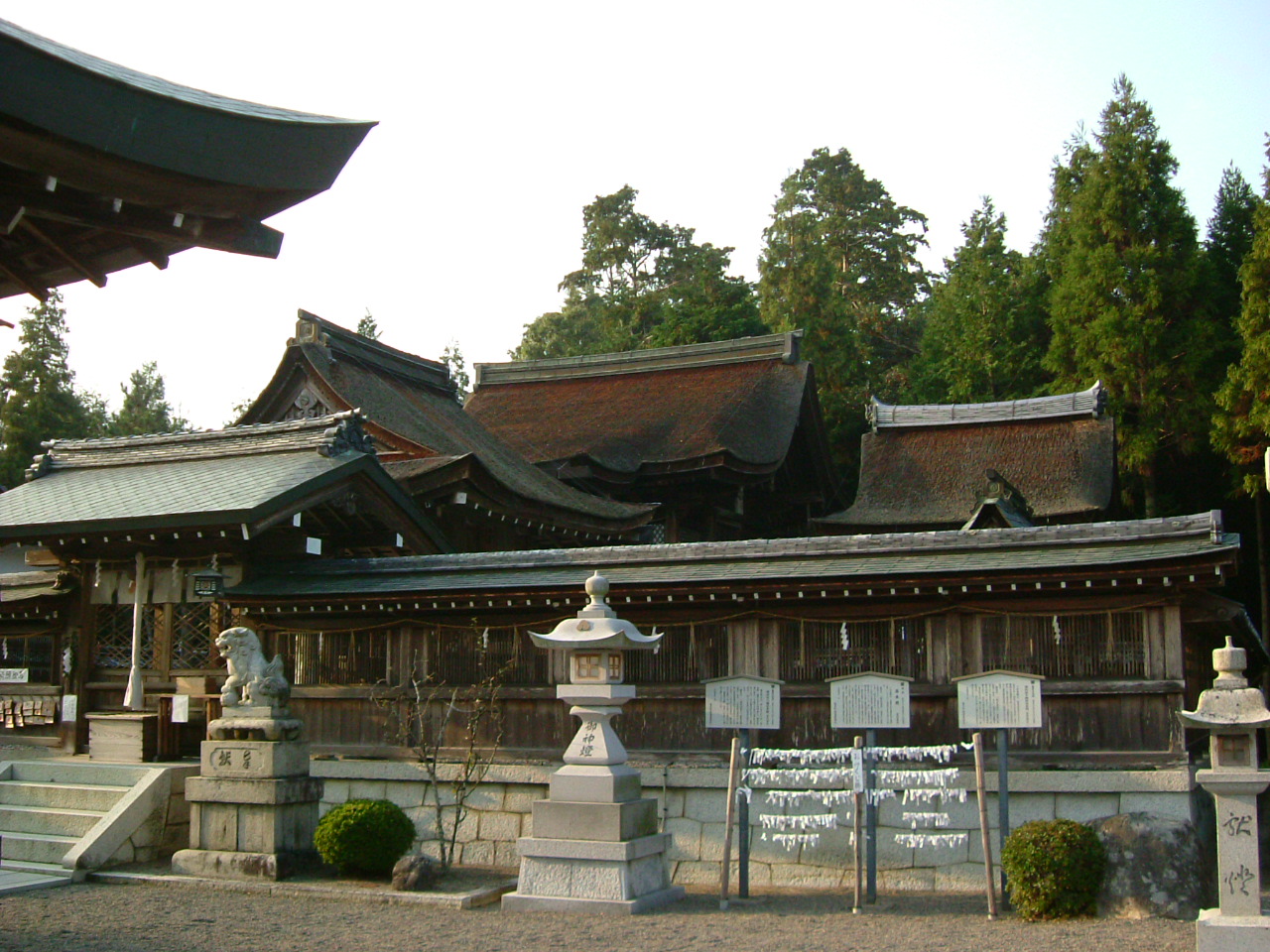
- Many visitors combine the trip with central Kyoto and Otsu, and pairing it with the temple town of Sakamoto, including Hiyoshi Taisha and the former Chikurin-in, makes for a rewarding route.
A Quick Tip
To tour the vast summit efficiently, it is ideal to begin the climb in the morning, working backward from the closing time for the pilgrimage. Amid the solemn air of the sacred peak, quietly pay respects to the Imperishable Dharma Flame at Konponchudo and enjoy a calming interlude.
📚 Sources
This article was edited with reference to guidance from Enryakuji, the head temple of the Tendai school on Mount Hiei on the Shiga-Kyoto border, explanations of its World Heritage status, and temple information on the Konpon Chudo hall and the eternal Dharma lamp. Explanations from the temple and region were consulted for the grounds made up of the three pagoda areas of Todo, Saito, and Yokawa and for the ascetic tradition of the thousand-day circling practice. Pilgrimage fees, viewing hours, and the pilgrimage reception cutoff may change, so please check the Enryakuji official information before you set out.
Visitor Checklist
- Estimated time: The areas are far apart, so allow at least half a day to tour at a relaxed pace.
- Suggested route: At the central Todo, worship at the main Konpon Chudo hall and the eternal Dharma lamp, then continue to Saito and Yokawa to cover all three areas for deeper understanding.
- Viewing hours: The Todo area is roughly 9:00 to 16:00 year-round, and Saito and Yokawa about 9:00 (or 9:30) to 16:00 by season; pilgrimage reception closes a little before the gates, so early arrival is reassuring.
- What to wear: The mountain grounds among deep cedars are hilly with long walking distances, so comfortable shoes are recommended.
- Budget: Prepare the pilgrimage fee common to the three areas.
- Best time of day: Touring all the areas takes time, so starting early in the morning leaves room to spare.
📍 Location & Access


Share this article





✍️ About this article
This article is compiled by the Tabitabi JAPAN editorial team from official and primary sources, including facility and shrine/temple websites, tourism information published by municipalities and tourism associations, and cultural-property records released by national and local governments. Prices, opening hours and event dates may change, so please also check the official information of each facility or local government before you visit.