
Chikubu Island — The Mystical Benzaiten Power Spot Floating on Lake Biwa
Rising from the dark waters of Lake Biwa, Japan's largest lake, Chikubu Island is one of the most atmospheric and spiritually charged destinations in Shiga Prefecture. About two kilometers in circumference, this densely forested island has been revered since ancient times as the dwelling of Benzaiten, the goddess of music, eloquence, wealth, and good fortune, one of the Seven Lucky Gods. Uninhabited today, it is cherished as an island for prayer and quiet walking.
Highlights
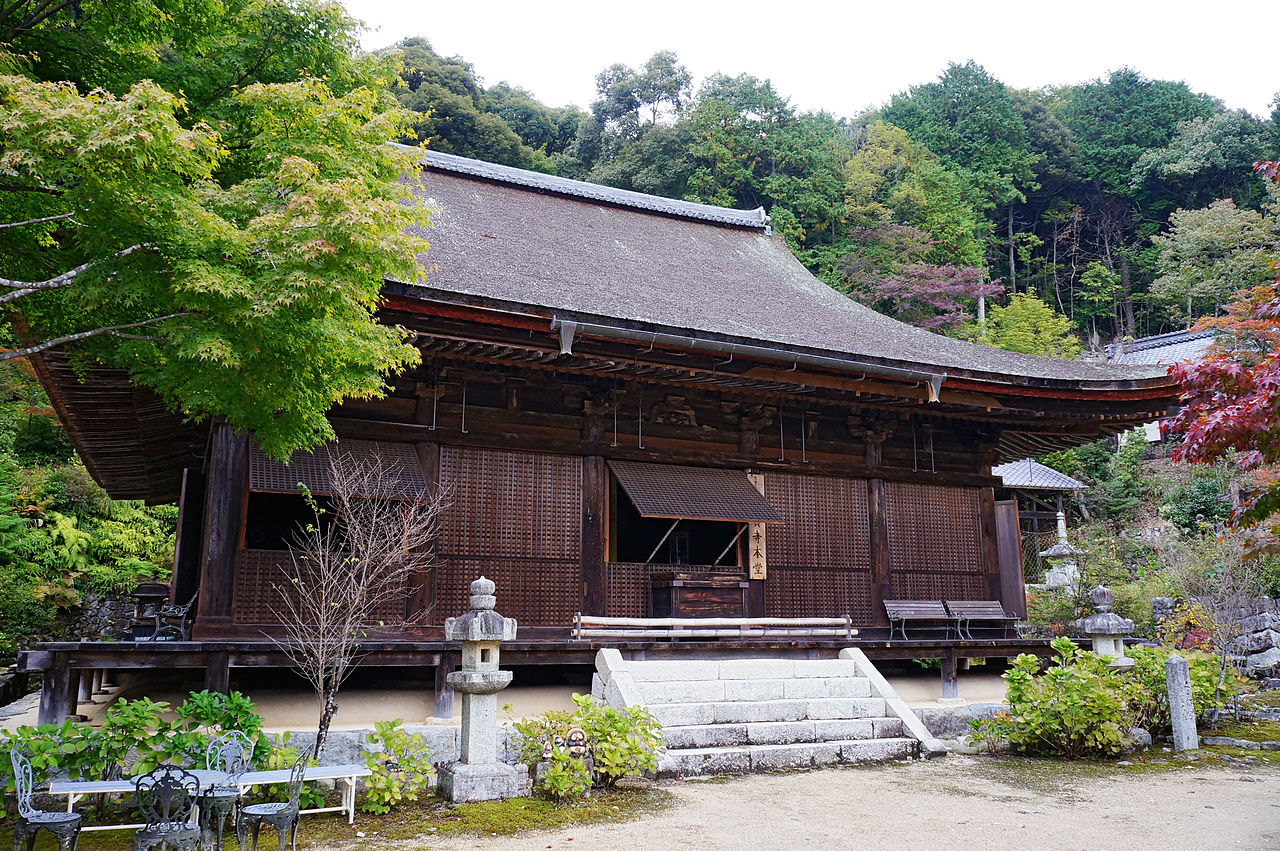
Hogonji Temple is said to have been founded in 724 by the monk Gyoki at the wish of Emperor Shomu, and it serves as the thirtieth stop on the Saigoku Kannon pilgrimage. It preserves a National Treasure Karamon gate in the Momoyama style, along with the Kannon hall and a covered boat corridor designated as Important Cultural Properties. From the landing, the prayer stairway of 165 steps leads up to the main hall.
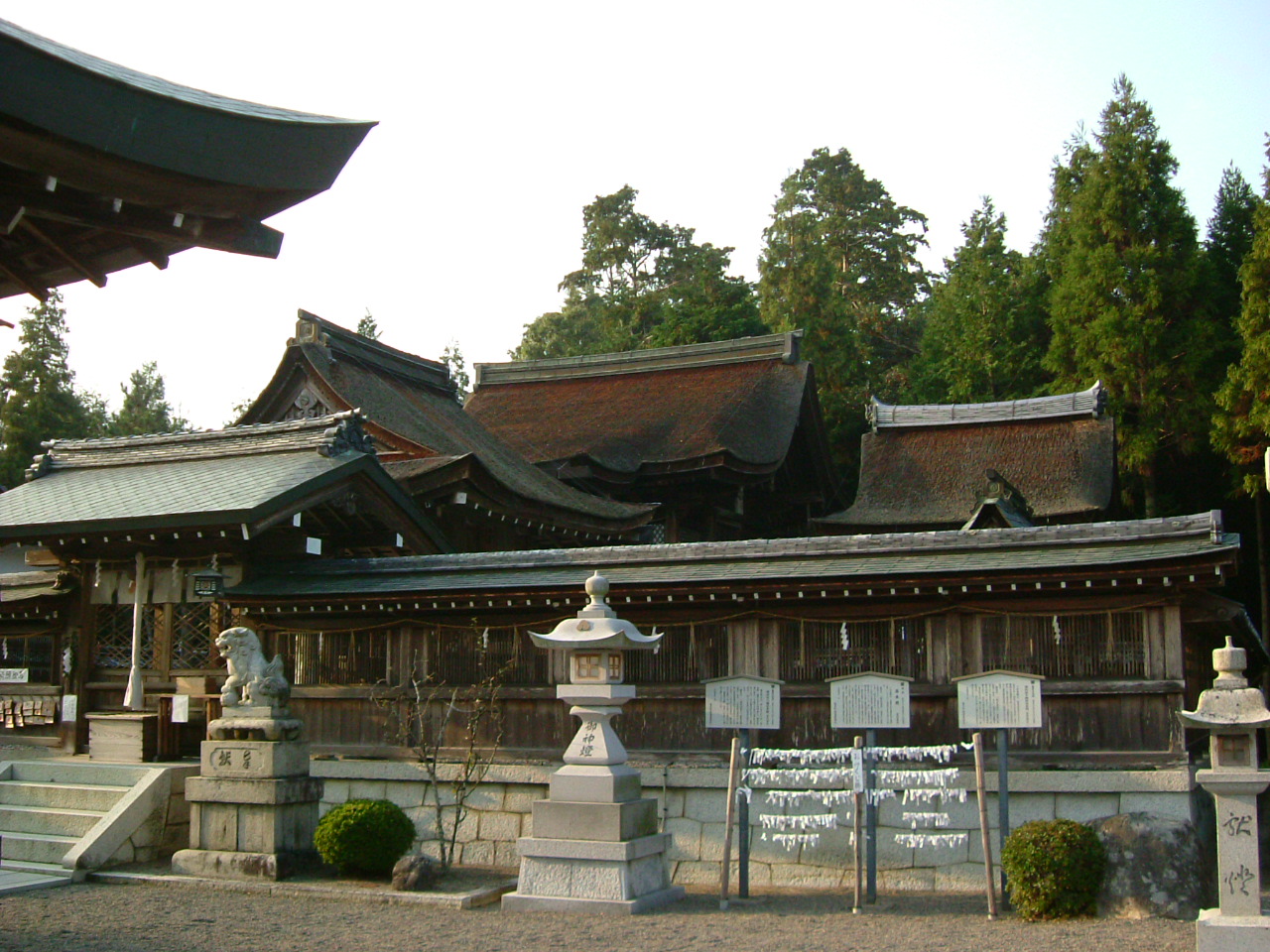
Tsukubusuma Shrine is the principal Shinto sanctuary on the island. Its main hall is said to have been moved from the remains of Fushimi Castle and is designated a National Treasure. It enshrines Ichikishimahime no Mikoto and has long been revered as a water deity merged with the Buddhist Benzaiten.
The Ryujin worship site is famous for the kawarakenage ritual. From a place facing Lake Biwa, visitors throw small unglazed clay discs toward a torii gate standing on the water. Discs that pass cleanly between the gate are said to bring wishes granted, a satisfying and surprisingly difficult challenge.

Getting There and Basic Information
Sightseeing boats run from Nagahama Port, about 30 minutes, from Imazu Port, about 25 minutes outbound and 30 minutes back, and from Hikone Port, about 40 minutes. Time ashore is generally set at around 75 to 85 minutes, matching each operator's schedule. Admission to Hogonji Temple is around 600 yen for adults, with the boat fare and any shrine offerings separate. The island is uninhabited with no lodging, though shops and restrooms are available on site.

Best Time to Visit
Spring brings fresh greenery and cherry blossoms reflected on the lake. Summer offers cool lake breezes and a deep green, mysterious island. Autumn creates a striking contrast of colored leaves and blue water. Winter is quiet with few visitors, though sailings are more easily canceled in rough weather.
Practical Travel Notes
- Best time of day: Since sailings are limited, a morning outbound boat gives more leeway. Time ashore is fixed, so plan your tour around the boat schedule.
- Avoiding crowds: Cherry blossom and autumn seasons and long weekends fill the boats. For a calm visit, choose a weekday or a mild winter day.
- Budget sense: Including the boat fare, Hogonji admission, and the clay discs, a visit runs in the low thousands of yen, with transport to the port on top of that.
- Check in advance: Winter brings reduced or suspended service, and rough weather can cancel sailings. Confirm the timetable of each port operator before you set out.
A Quick Tip
The 165 step stairway is steep and can be slippery, so sneakers or trekking shoes are reassuring. Sending a clay disc through the torii is hard, which makes a granted wish all the sweeter. Because time ashore is limited, after disembarking it helps to move efficiently among the stairway, the main hall, the shrine, and the Ryujin worship site.
📚 Sources
This article was edited with reference to guidance from Hogonji temple and Tsukubusuma Shrine on Chikubushima Island, and information published by the tour boat companies operating from Nagahama, Imazu, and Hikone ports. Explanations from the temple and shrine were consulted for the national-treasure Karamon gate and main hall and the site status as the thirtieth stop on the Saikoku Kannon pilgrimage. Admission and boarding fees and each port timetable and cancellation information may change, so please check the official information of each operator and of the temple and shrine before you set out.
Visitor Checklist
- Estimated time: The time ashore matched to each company sailing is generally about 75 to 85 minutes, so tour the island around the boat schedule.
- Suggested route: After disembarking, it is best to efficiently cover the stone steps, the main hall, Tsukubusuma Shrine, and the dragon-god worship point.
- What to wear: The 165 stone steps are steep and slippery, so sneakers or trekking shoes are reassuring.
- Budget: Allow for the boat fare, the Hogonji admission, and the kawarake disks.
- Check in advance: Winter brings suspended or reduced sailings and cancellations in rough weather, so always check each port operator timetable.
- Best time of day: With limited sailings, a morning outbound boat leaves more room in your schedule.
📍 Location & Access


Share this article





✍️ About this article
This article is compiled by the Tabitabi JAPAN editorial team from official and primary sources, including facility and shrine/temple websites, tourism information published by municipalities and tourism associations, and cultural-property records released by national and local governments. Prices, opening hours and event dates may change, so please also check the official information of each facility or local government before you visit.