
Kochi Food Guide: Katsuo no Tataki, Sawachi & Tosa Sake
Katsuo no Tataki
Kochi's defining dish — whole bonito seared over blazing rice straw, then sliced and served with salt, ponzu and spring onion.
Sawachi Cuisine
Kochi's traditional feast — a huge lacquer platter overflowing with sashimi, sushi, grilled fish and country dishes.
Tosa Sake
Kochi's sake is among Japan's most dynamic. Brands like Tosa Tsuru, Suigei and Senchu Hassaku reflect a culture of bold, dry sake.
Shimanto River Delicacies
Japan's last pristine river yields exceptional sweetfish (ayu), river shrimp and river seaweed. Best in summer, simply grilled.
Bowze no Sugata-zushi
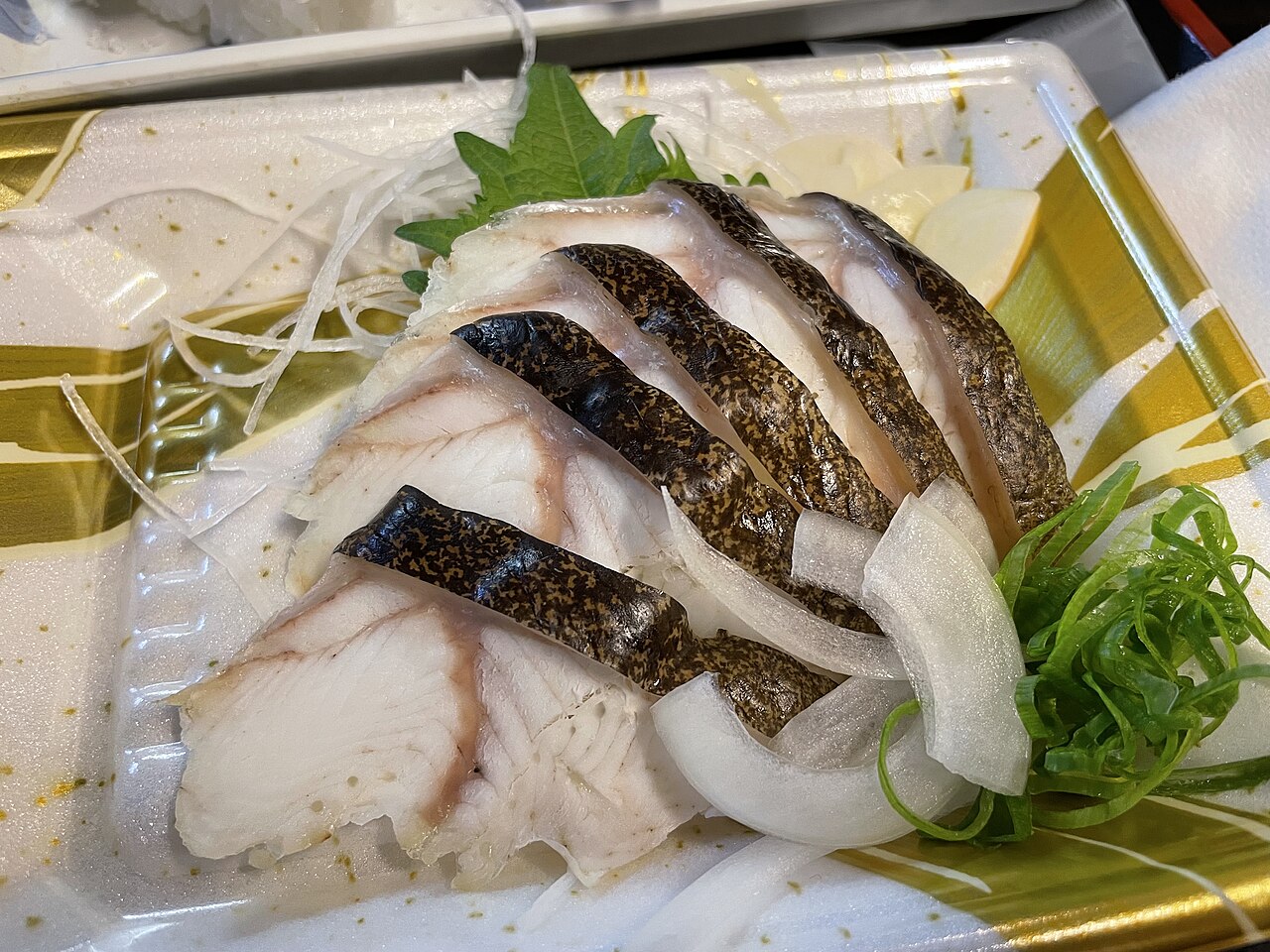
A Kochi traditional sushi — pacific pomfret pressed with vinegar and kombu into a rustic one-piece sushi.
Access
Kochi City's Hirome Ichiba market hall and Sunday Market are essential food stops.
📚 Sources
The food culture of Tosa introduced in this article, such as bonito tataki, sawachi platters and Tosa sake, is organized based on tourism and food information published by Kochi Prefecture and the prefectural tourism and convention association, along with information from Hirome Market and local eateries and sake breweries. The straw-grilling method and the seasons for first bonito and returning bonito draw on public information from operators. Because each shop operations and prices may change, please confirm official information before you visit.
Visitor Checklist
- Time estimate: Just tasting one dish takes little time. Allow one to two hours for a snack walk at Hirome Market or a banquet-style meal.
- What to prepare: Hirome Market uses shared seating, so secure a seat early when busy. Sawachi platters are often for banquets, so a reservation matching your party size gives peace of mind.
- Best timing: Bonito is in season as first bonito in early summer and returning bonito in autumn, each with a different flavor. Popular shops are busy at lunchtime.
- Suggested route: Savor straw-grilled bonito tataki around Kochi Station or at Hirome Market, then enjoy it with sawachi platters and Tosa sake. It also pairs with sightseeing at Katsurahama and the Shimanto River.
Practical Information for Your Visit
- Best season: Kochi's bonito has two seasons a year. The "hatsu-gatsuo" (first bonito, also called nobori-gatsuo) caught in spring from March to May is lean and clean-tasting, well suited to tataki topped with plenty of condiments and eaten with ponzu. The autumn "modori-gatsuo" (returning bonito, also called kudari-gatsuo) of September to November is fatty and tender, and is said to be best enjoyed as sashimi for its rich umami.
- Public facility where you can try it: Hirome Market (2-3-1 Obiyamachi, Kochi City / TEL 088-822-5287). Opening hours are 10:00 to 23:00 Monday to Saturday and 9:00 to 23:00 on Sundays (this varies by shop). The car park has 180 spaces (including 4 for disabled visitors), a height limit of 2.2 m and is open 24 hours. The charge is 200 yen per 30 minutes, with a maximum of 300 yen between 20:00 and 8:00 the next morning, and spending 3,000 yen or more at a single shop earns a 1-hour discount (up to 2 hours in total across all the shops).
- Access: For Hirome Market, get off at the "Ohashi-dori" tram stop and walk 2 minutes. It is about 5 minutes by car from JR Kochi Station, about 30 minutes by car from Kochi Ryoma Airport and about 15 minutes by car from Kochi IC.
- Points to note: Bonito is a fish that can host the anisakis parasite. According to the Ministry of Health, Labour and Welfare, anisakis larvae are not killed by vinegar, salting, soy sauce or wasabi, and freezing at -20 degrees C for 24 hours or more, or heating to 70 degrees C or above (or 60 degrees C for 1 minute), is required. Tataki is only seared on the surface and remains close to raw in the centre, so if you suffer severe abdominal pain or nausea between an hour and several days after eating it raw, seek medical attention promptly.
* Opening hours and prices at individual shops vary from shop to shop. Please check the announcements on the official website for closing days.
(Sources: Kochi Prefecture official website "Kochi-ke no Marumaru"; Hirome Market official website; Kochi City official website; Ministry of Health, Labour and Welfare, "Let's Prevent Food Poisoning Caused by Anisakis")
📍 Location & Access


Share this article




✍️ About this article
This article is compiled by the Tabitabi JAPAN editorial team from official and primary sources, including facility and shrine/temple websites, tourism information published by municipalities and tourism associations, and cultural-property records released by national and local governments. Prices, opening hours and event dates may change, so please also check the official information of each facility or local government before you visit.