
Kochi Local Gourmet Guide: Katsuo no Tataki (Seared Bonito)
Katsuo no Tataki (Seared Bonito)
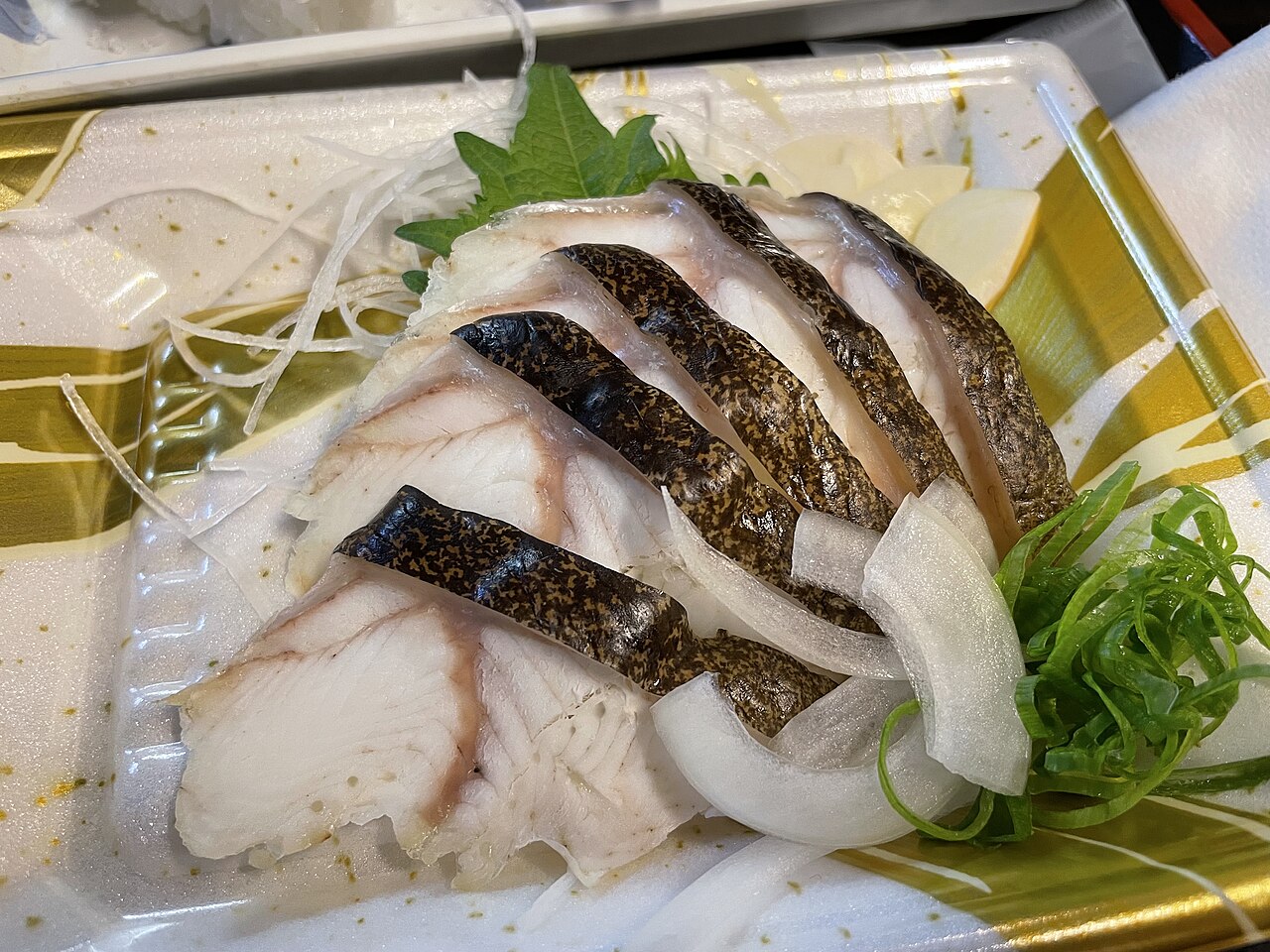
If you come to Kochi, this is the one thing you cannot leave without eating — Katsuo no Tataki. Bonito seared dramatically over straw flames has only its surface browned to a savory crisp, while the interior remains tender, silky, and full of raw umami. The moment you bring it to your mouth, the fragrance of smoke and the sweetness of the fish spread together instantly, and you'll find yourself exclaiming involuntarily, "So this is the real thing." The sort of dish that makes you reluctant to put down your chopsticks — this is Kochi's katsuo no tataki.
What sets Kochi's katsuo no tataki apart from versions found elsewhere in Japan is its preparation method. Fundamentally different from the gas-torch finish seen at supermarkets, the traditional technique is wariyaki — cooking over straw flames. The ferocious heat of the straw sears the bonito's surface in seconds, imparting the distinctive smoky, savory fragrance that is the soul of this dish.
How to Enjoy
Kochi's tataki is typically served generously piled on a plate, sliced thick, with a mound of sliced garlic and green onion (or myoga ginger) alongside. Two ways of eating are popular: ponzu style (with citrus-based soy dipping sauce) and salt style (rubbed simply with salt). Locals tend to prefer the salt style for experiencing the pure flavor of the fish.
The experience of eating katsuo no tataki at a street market or casual restaurant in Kochi — where the straw smoke perfumes the air and the dish arrives still warm — is incomparable.
Where to Enjoy
- Hirome Ichiba Market (Kochi City): The energetic covered market in the heart of Kochi City, where dozens of food stalls and restaurants crowd together in a festive atmosphere. Freshly made tataki is available from multiple stalls — this is one of the best places in Japan to eat katsuo no tataki in an authentic local atmosphere.
- Kochi Sunday Market (Ichi no Tsuji / Otemachi): Held every Sunday along a 1.3-km stretch of road, Japan's oldest and largest weekly market includes food vendors selling freshly prepared tataki.
Sawachi Cuisine (Kochi's Grand Communal Feast)
Sawachi cuisine is Kochi's uniquely generous party food tradition — a style of eating centered around a massive decorative platter (sawachi) heaped with an extravagant arrangement of sashimi, katsuo no tataki, seafood, sweetfish (ayu), and colorful seasonal vegetables. Originating as a style of hospitality for festivals and celebrations, sawachi is still served at gatherings, weddings, and special occasions in Kochi today.
The visual impact of a fully loaded sawachi is stunning — colors and textures artfully arranged in abundance across a large, ornate lacquer or ceramic platter. The communal nature of the eating, with everyone at the table sharing from the same magnificent platter, gives sawachi a festive warmth that casual dining cannot replicate.
Several restaurants in Kochi City serve sawachi cuisine, some as part of multi-course banquet-style meals and some as more casual lunch or dinner options.
Gyu-Katsuo (Beef and Bonito Combination)
A uniquely Kochi combination — a dish pairing Kochi's prized katsuo (bonito) with wagyu beef, either as individual preparations on the same plate or as a hybrid tataki preparation. Both the beef and the bonito are seared over straw (or wood), giving both a smoky, savory exterior with a rare, tender interior. The contrast between the deep richness of wagyu and the clean, oceanic freshness of bonito on the same plate is a taste experience peculiar to Kochi.
Some restaurants in Kochi City have developed this concept into a signature dish — worth seeking out for something genuinely unusual.
Yuzu Cuisine
Kochi Prefecture is Japan's leading producer of yuzu — the aromatic Japanese citrus whose fragrant zest and juice are central to Japanese cuisine. In Kochi, yuzu is used with exceptional creativity across a wide range of dishes.
Yuzu Miso: A blend of Kochi's rich saikyo-style miso with yuzu zest — used as a dipping sauce for vegetables, tofu, or grilled foods. The aromatic sweetness of yuzu transforms the earthy miso into something luminous.
Yuzu Ponzu: Homemade ponzu sauce using fresh Kochi yuzu juice — noticeably brighter and more fragrant than commercial products. Particularly delicious with katsuo no tataki.
Yuzu Sweets: The citrus character of yuzu makes it ideal for confections — yuzu jelly, yuzu sherbet, yuzu tart, and yuzu chocolate are all popular in Kochi's souvenir shops.
Shimanto River Freshwater Delicacies
The Shimanto River — often called "Japan's last clear river" — flows through the Shikoku mountains and produces remarkable freshwater delicacies.
Ayu (Sweetfish): The ayu from the Shimanto River are renowned for their distinctive melon-like fragrance and delicate flesh. Grilled simply over charcoal (shioyaki), the crispy skin and sweet flesh make ayu from the Shimanto a highly sought seasonal delicacy (summer months).
Eel (Unagi): Wild freshwater eel from the Shimanto River is a premium product, increasingly rare. Kabayaki (grilled with sweet soy sauce) preparation showcases the rich, fatty flesh beautifully.
Kochi's Sake and Local Beverages
Kochi has a strong sake culture — the prefecture's sake is often described as "karakuchi" (dry) and pairs naturally with the clean, fresh flavors of katsuo and river fish. Local craft sake breweries (sakagura) throughout the prefecture welcome visitors for tastings.
Yuzu Sake and Liqueurs: The combination of Kochi's yuzu and locally produced rice-based spirits creates uniquely fragrant liqueurs — widely available as souvenirs.
Drink Culture: Kochi people are famous throughout Japan for their enthusiastic drinking culture — "Okizake" (drinking games using traditional sake cups) is a unique local custom still practiced at social gatherings.
📚 Sources
The straw-grilling and salt tataki of bonito, Hirome Market, sawachi platters, the Sunday Market on Otesuji, and Susaki City as the birthplace of nabeyaki ramen introduced in this article are organized based on tourism and food information published by Kochi Prefecture, Kochi City and the prefectural tourism and convention association, along with information from Hirome Market, the Sunday Market and each eatery. The Sunday Market operations and noted Susaki shops draw on public information from operators. Because each shop and market business days and hours may change, please confirm official information before you visit.
Visitor Checklist
- Time estimate: About half a day for a snack walk at Hirome Market or the Sunday Market. Allow a full day for a hop between bonito tataki, sawachi platters and nabeyaki ramen.
- What to prepare: Many Sunday Market stalls take cash only, so bring coins; an eco bag and comfortable sneakers help. Nabeyaki ramen in a clay pot has a very hot vessel, so mind burns.
- Best timing: The Sunday Market runs only on Sundays with peak bustle from 7 to 9 a.m. Bonito tataki is best at fresh lunchtime, and nabeyaki ramen is especially good in autumn and winter.
- Suggested route: The Tosa-style hop is bonito tataki at Hirome Market for lunch, a snack walk at the Sunday Market if it is Sunday, and sawachi platters at night. Nabeyaki ramen can be savored in Susaki City or in the city.
Practical Information for Your Visit
- Sunday Market (Otesuji, Kochi City): Held every Sunday. Hours are 5:00 a.m. to 5:00 p.m. in summer (April to September) and 5:30 a.m. to 4:00 p.m. in winter (October to March); both periods include setting up and taking down the stalls. The market is closed on January 1 and 2 and from August 10 to 12. It stretches for about 1,000 m with more than 350 stalls and draws around 17,000 people. The number of stalls tends to thin out toward the afternoon, so a morning visit is the surest bet.
- What defines nabeyaki ramen: According to the official Susaki City information, the conditions are that the bowl must be an earthenware pot and that takuwan (well-aged pickled radish) is served alongside. The soup is a chicken-bone soy sauce broth, the noodles are thin with a firm bite, and the toppings are simple: spring onion, chikuwa fish cake and a raw egg.
- About the restaurant where it began: Taniguchi Shokudo, regarded as the birthplace (run by the late Mr. Hyoma Taniguchi), opened soon after the war and closed around 1980 (Showa 55). It is no longer in business.
- Contact: Susaki City, Culture, Sports and Tourism Division, Tourism Section (1-7 Yamate-cho, Susaki City, Kochi Prefecture / Tel. 0889-42-1150). For the Sunday Market, Kochi City, Commerce Promotion Division, Street Market Section (Tel. 088-823-9375).
- Points to note: The earthenware pot used for nabeyaki ramen gets extremely hot. Many stalls at the Sunday Market take cash only, so bring small change. The Sunday Market may be cancelled in the event of a disaster, severe weather or similar circumstances.
* Opening hours and prices at individual restaurants vary from shop to shop.
(Sources: Kochi City official website, Sunday Market (Street Market); Susaki City official website, What is nabeyaki ramen)
📍 Location & Access


Share this article




✍️ About this article
This article is compiled by the Tabitabi JAPAN editorial team from official and primary sources, including facility and shrine/temple websites, tourism information published by municipalities and tourism associations, and cultural-property records released by national and local governments. Prices, opening hours and event dates may change, so please also check the official information of each facility or local government before you visit.