
Shizuoka Food Guide: Eel, Sakura Shrimp & Fujinomiya Yakisoba
From the bounty of the sea to the mountains and casual local dishes, Shizuoka is a treasure house of food. Eel and sakura shrimp with landings among the best in Japan, and oden with its distinctive black broth, line up specialties you cannot taste elsewhere. Blessed with a mild climate and rich sea and mountains, Shizuoka has flavors rooted in each district, and eating your way around becomes a great pleasure of the trip.
Lake Hamana Eel
The flavor that represents Shizuoka is the eel of the Lake Hamana area. Blessed with a mild climate and good water, Lake Hamana has long been known as a place of eel farming. The plump grilled kabayaki is fragrant outside and melting inside, and the secret sauce makes the rice go down fast. Many renowned shops dot the Hamamatsu area, where you can enjoy it in many ways such as unaju and hitsumabushi. Unaju starts around three thousand yen for a standard serving and rises for finer versions at specialty shops, a dish to savor as a special meal.
Suruga Bay Sakura Shrimp and Shirasu
Suruga Bay is known as the only sea in Japan where sakura shrimp are fished. The translucent pink shrimp are landed in spring (late March to early June) and autumn (November to December), and raw sakura shrimp fritters and raw sakura shrimp bowls are a feast unique to Shizuoka. Raw shirasu caught in the same bay is also a specialty, prized for its plump texture. Around Yui Fishing Port, shops offering fresh sakura shrimp and shirasu dishes line up, letting you fully savor the gifts of the sea.
An Array of Local Casual Dishes
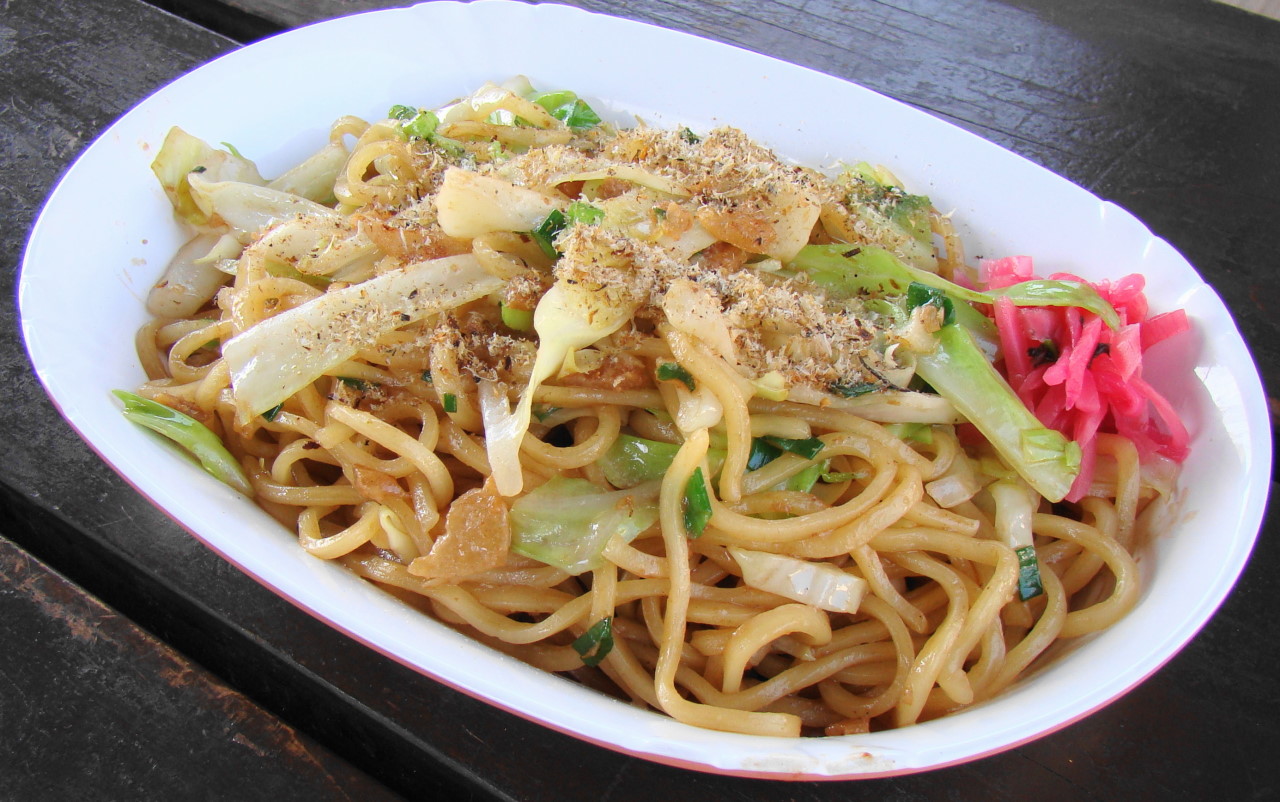
Shizuoka is rich in unique casual dishes loved by locals. Fujinomiya yakisoba, defined by firm dedicated noodles, meat bits, and sardine powder, has gathered fame nationwide. Shizuoka oden simmers skewered ingredients in a black broth, eaten sprinkled with seaweed and dashi powder. Eating your way around local specialties such as Hamamatsu gyoza, Mishima korokke, and Izu wasabi bowl makes a trip through Shizuoka all the more enjoyable.
Best Season and Access
Eel is famous in the midsummer Day of the Ox but can be enjoyed all year, while sakura shrimp fishing opens in spring (late March to early June) and autumn (November to December). Raw shirasu can be tasted except during the closed season from mid-January into March. For access, take the JR Tokaido Shinkansen from Tokyo to Shizuoka or Hamamatsu Station, then reach the specialty shops by local trains or car. Because specialties are scattered across the region, narrowing your area is recommended. Offering both the bounty of the sea and local dishes, Shizuoka is a land worth visiting for food alone.
Practical Travel Notes
Shizuoka stretches long from east to west and its specialties are scattered across the region, so trying to cover everything in one trip makes travel a heavy burden. Narrowing to a theme by area lets you enjoy eating around without strain: the western area of Hamamatsu (eel and gyoza), the central area of Shizuoka City (oden and Abekawa mochi), Yui and Yaizu (sakura shrimp and bonito), the eastern area of Numazu and Mishima (shirasu and Mishima korokke), and Izu (wasabi bowl). The basic plan is to use the Shinkansen stops (Mishima, Shizuoka, Hamamatsu) as bases and head to your target shops by local train or car. Sakura shrimp and raw shirasu depend on the catch and may not be served the day after bad weather, so if you are after seasonal raw items, checking in advance is reassuring. While many specialties can be enjoyed casually for a few hundred to a thousand-odd yen, setting aside a separate budget for eel as a special meal makes it easier to plan the food side of the whole trip.
A Quick Tip
With limited days, it is best to first use a city where the Shinkansen stops as a base and narrow to a single area. Raw items change with the catch, so asking the shop for that day recommendation reduces disappointment. Because each specialty has its own season and area, deciding first what you want to eat based on the season of your visit leads to a deeply satisfying food journey.
- Contact: Yui Port Fisheries Cooperative 054-376-0001 (direct sales shop 054-377-1111) / Fujinomiya Yakisoba Antenna Shop 0544-22-5341 / Imagire Taiken no Sato Kaikokan 053-594-6624 (9:00-17:00, closed Mondays)
📍 Location & Access


Share this article




✍️ About this article
This article is compiled by the Tabitabi JAPAN editorial team from official and primary sources, including facility and shrine/temple websites, tourism information published by municipalities and tourism associations, and cultural-property records released by national and local governments. Prices, opening hours and event dates may change, so please also check the official information of each facility or local government before you visit.